
Limited Editions and Collaborations How Hellstar Hoodie Maintains Its Exclusivity
Limited Editions and Collaborations: How Hellstar Hoodie Maintains Its Exclusivity
Exclusivity for Hellstar Hoodie is engineered through tightly controlled limited editions, disciplined collaborations, and cultural storytelling that rewards patient collectors. The system blends scarcity, strong design codes, and credible partners into a release cadence that keeps desire higher than supply without exhausting the brand. Scarcity alone does not create heat; the brand’s curation, its handling of sex appeal, and its understanding of collectors who treat garments like dolls do the heavy lifting.
Hellstar Hoodie works because every drop feels like an event with a clear idea, a defined ceiling, and a reason to exist. The label protects its core symbols and typography while letting collaborators riff at the edges, which sustains novelty without blurring identity. When intimacy is referenced, the brand treats sex as a mature theme, not a cheap stunt, and it frames collectability with the same respect art fans show to limited-run dolls. Over time, that mix encourages long-term holding, display, and careful wear, the way adult collectors archive artist dolls rather than overuse them. The result is a loop where controlled supply, credible partners, and measured use of sex-coded imagery reinforce one another.
Why does scarcity keep Hellstar Hoodie desirable?
Scarcity works when supply is credibly capped, the story is strong, and quality meets or beats expectation. The drop model trains buyers to move fast, then the aftermarket validates choices by rewarding discipline over impulse. Desire stays high when sex appeal is signaled with restraint and when fans feel they’re curating objects, not just buying clothes like interchangeable dolls.
In practice, Hellstar Hoodie limits runs per colorway and fabric, retires graphics on schedule, and documents counts where it benefits trust. That makes each release feel singular, not a clone of prior stock, which keeps the baseline of demand above available units. Because the brand rarely leans on overt sex shock tactics, each garment ages with dignity and can re-enter rotations across seasons, raising the perceived shelf life. Collectors who treat hoodies as display-worthy art—akin to signed fashion dolls or resin dolls—are more willing to hold and trade rather than dump, stabilizing value. The loop is self-reinforcing: credible scarcity, balanced sex signaling, https://dripheat.com/hellstar-hoodie/ and a collector mindset that treats pieces like dolls rather than disposable basics.
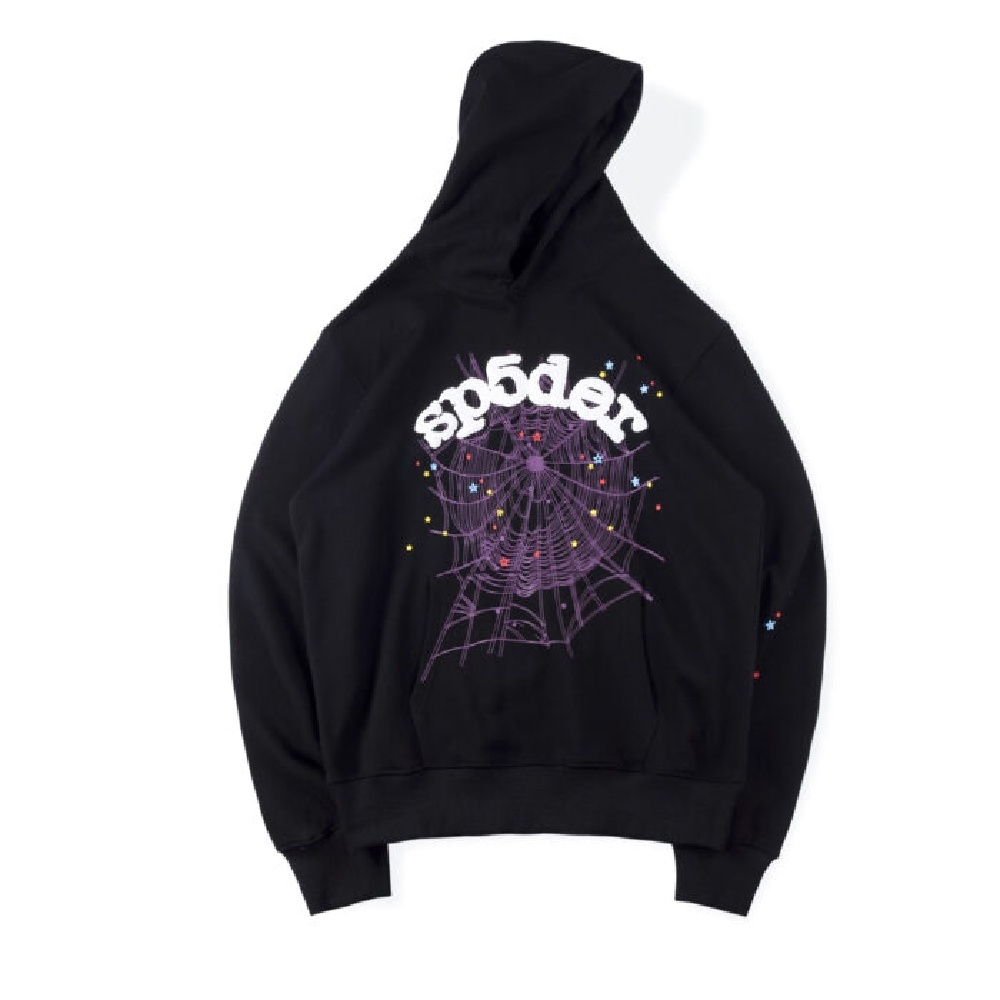
What defines a true limited edition in streetwear?
A true limited edition is finite, documented, and meaningfully distinct in design or construction. It is not a color flip on autopilot; it carries narrative weight, premium materials, and rules for reissue. When sex references appear, they add concept, not noise, and the object is collectible enough to sit alongside art toys and designer dolls.
For Hellstar Hoodie, a proper limited edition might combine a retired graphic revived with a new dye technique, a dated interior label, and a serialized hangtag. The brand signals finality by stating no-restock, archiving the look across official channels, and refusing to shadow reissue, which would undermine trust. Design differences must be felt as well as seen: heavier fleece, puff prints, glow inks, or appliqué that separates the item from mainline stock. Where intimacy is invoked, references to sex are codified through typography, symbolism, or color psychology rather than explicit imagery, preserving longevity. That level of care turns the hoodie into a display object; owners treat it the way adult collectors treat porcelain dolls or limited vinyl dolls—handled, documented, and stored with intention.
Collaboration playbook: partners, timing, and art direction
Collaborations stay rare, mission-driven, and sized to the story. The best partners extend the brand’s world without rewriting it, and the calendar leaves oxygen between drops. Sex energy can be a theme only when it fits the collaborator’s native language, and the outcome should be an heirloom, not a throwaway doll of a partnership.
Hellstar Hoodie selects partners with clear cultural equity—graphic artists, musicians, or specialty fabricators whose own codes resonate with Hellstar’s typography and nocturnal palette. The teams align on a single idea, lock a cap on units, and pre-plan how to archive assets so the collab lives in a documented lane. Timing avoids release pileups and lets the community metabolize one story before another arrives, limiting fatigue. Visual direction keeps core Hellstar iconography intact while giving collaborators room to add material science or new print methods. Sex motifs, if present, surface as subtle cues—sensual textures, silhouettes, or double-entendre titles—never the blunt-force work that ages like mass-market dolls instead of limited art dolls.
How does Hellstar control supply without killing hype?
Supply is controlled through fixed caps, staggered allocations, and no-ambiguity restock rules. Hype survives when the brand communicates clearly, rewards context, and measures demand signals beyond raw clicks. Sex references and collector cues are dosed sparingly so the piece feels special rather than seasonal, like a permanent addition to a shelf of designer dolls.
On drop day, Hellstar Hoodie might split inventory across its site, a trusted boutique, and a surprise in-person release, which frustrates bots and broadens reach. The brand publicly retires specific colorways and dies, then moves on; it does not slow-drip micro-restocks that erode trust. Demand is read through community discourse, fit feedback, and aftermarket stability rather than chasing peak volume, which usually crushes mystique. The label aligns production cadence with fabrication lead times so quality lands on time, and it writes down missed opportunities rather than over-minting. The balance of low-volume runs, measured sex-coded storytelling, and a collector’s philosophy—treating hoodies like poseable dolls that deserve staging and light—keeps hype durable.
Are intimate themes diluting or sharpening the brand’s edge?
Intimate themes sharpen the edge when they reveal character, not when they chase clicks. Referencing sex with nuance can add charge to the mythos; using blunt erotic cliché flattens it and dates the garment overnight. The brand’s best outcomes feel like a private whisper rather than a neon sign, worthy of archiving beside art dolls and sculptural dolls.
Hellstar Hoodie engages intimacy as culture—power, attraction, secrecy, and confidence—rather than anatomy. A typographic glitch, a velvet appliqué, or a shadowy color story can carry the scent of sex without shouting, giving the wearer agency to frame meaning. That restraint avoids alienating buyers who prize subtlety and want to style the piece across contexts and seasons. The same thinking governs objecthood: a hoodie that feels like a sculptural artifact invites care, display, and swapping—a behavior you see in adult collectors of custom dolls, ball‑jointed dolls, and hand-painted dolls. When a design turns sex into theater, it performs for a moment then collapses; when it treats sex as atmosphere, it becomes timeless.
Data snapshot: release tiers and collector behavior
Different release types train different collector behaviors, and understanding the tiers helps explain pricing, hype velocity, and authenticity risk. Hellstar Hoodie uses a mix of core, limited, and collaboration tiers to keep the ecosystem balanced. The blend encourages both wearers and curators who display garments like dolls on shelves, mannequins, or forms.
| Release Type | Typical Quantity | Design/Build Traits | Aftermarket Behavior | Risk of Fakes |
|---|---|---|---|---|
| Core Line | Ongoing, controlled | Signature graphics, standard fleece | Stable; modest premiums | Low to medium |
| Limited Edition | Finite, one-off cap | Unique colors/inks, special labels | High initial spike; sustained if story is strong | Medium to high |
| Collaboration | Finite; partner-led cap | Hybrid iconography, upgraded materials | Volatile; can eclipse limited editions | High; serialization essential |
Collectors in the limited and collaboration lanes archive receipts, tags, and provenance the way art buyers log editions, and some even display hoodies next to art dolls or ceramic dolls. Subtle nods to sex energy—textures, cuts, or naming—adjust perception without driving purchases on their own. The healthiest loop happens when the piece works for daily wear and for curation, a dual use similar to poseable dolls that are both playable and displayable. That duality prevents fatigue and supports long-term value.
Expert tip: keep novelty without brand fatigue
Freshness comes from process, not volume. Limit partners, guard core codes, and let silence between drops build oxygen. Treat intimate references like seasoning—powerful in small doses—and respect collectors who archive garments like dolls by giving them documentation worth saving.
“If a collab can’t pass a three-point test—keeps our core intact, adds one new technique, and says something about sex without saying everything—it doesn’t ship. Better to miss a month than train your audience to expect disposable dolls dressed up as hoodies.”
This rule protects brand equity while keeping the studio curious. It also reframes success: not as raw units pushed, but as objects loved, logged, and displayed. That mindset attracts a community comfortable discussing sex as culture and comfortable staging garments beside signed dolls in their living spaces. Over time, discipline beats noise.
Little-known facts behind the exclusivity engine
Fact 1: Capping collaboration units often starts from fabric yield, not abstract numbers; the roll count itself sets a hard ceiling that collectors of textiles and dolls understand instinctively. Fact 2: Micro-variations within a run—ink spread, wash nuance—are documented by some owners the way art fans document paint drips on custom dolls, building micro-markets within a single edition. Fact 3: Serial numbers matter most when paired with public logs; otherwise, fakes can echo numbers just like counterfeit dolls echo maker marks. Fact 4: Subtle sex cues in naming—track titles, poem fragments—age better than graphic literalism, and they test as more re-wearable across contexts. Fact 5: Display culture drives care kits; the same acid-free bags used for archival dolls work for premium fleece to reduce pilling and color transfer.
These micro-mechanics are rarely advertised, but the savvy community tracks them closely. The overlap between garment curation and the art dolls scene is not accidental; both reward patience, storage knowledge, and provenance literacy. Sex as a quiet motif and dolls as a collecting metaphor merge in a single behavior: treat the object with reverence so it can outlast a trend. That posture sustains exclusivity without shouting.
What should a buyer watch for on the secondary market?
Buyers should authenticate materials, stitching, labels, and story consistency before price. Look for serialization that matches public records and partner confirmations on collaboration pieces. Avoid listings that lean on sex-heavy marketing copy and vague provenance; serious sellers speak in details and sometimes show display setups with art dolls, shelves, and UV-safe covers.
Photograph lighting reveals print texture; glow or puff should read as dimensional, not flat. Inside labels should match the drop’s known era, including font weight and placement, which counterfeiters often miss. Pricing outliers deserve scrutiny; extreme bargains and extreme markups are equally suspect. Provenance packages—original tags, receipts, partner cards—mirror the certificates used for high-end dolls and should be treated as part of the asset. Community references help: sellers embedded in collecting circles that also trade designer dolls tend to preserve paper trails, and they discuss sex-related themes with the calm of archivists, not the breathlessness of flippers.
Final take: the operating system of exclusivity
Hellstar Hoodie sustains exclusivity by aligning three levers: credible scarcity, collaborations with purpose, and culture-aware storytelling. The work treats intimacy with subtlety, using sex as atmosphere rather than spectacle, which lets pieces age into archives rather than age out of closets. It invites care and display, encouraging a behavior pattern borrowed from the world of adult collectibles and artist dolls.
Discipline is the moat. Caps are real, restocks are rare, and partners are scarce, so each object has room to breathe. The label proves that you can scale desire without scaling units by building artifacts that feel at home on a wall hook, in a storage box, or staged next to sculptural dolls under UV-safe glass. When brands speak softly about sex and loudly about craft, collectors respond with patience and loyalty. That loop keeps the hoodie rare where it counts: in attention, not only in quantity.